


Commercial & Industrial Storm Power in Texas
When a storm knocks out power to a plant, pump station, or hospital, waiting on the utility isn't always an option. Here's how to plan for temporary generator power and what to expect when you need it fast.
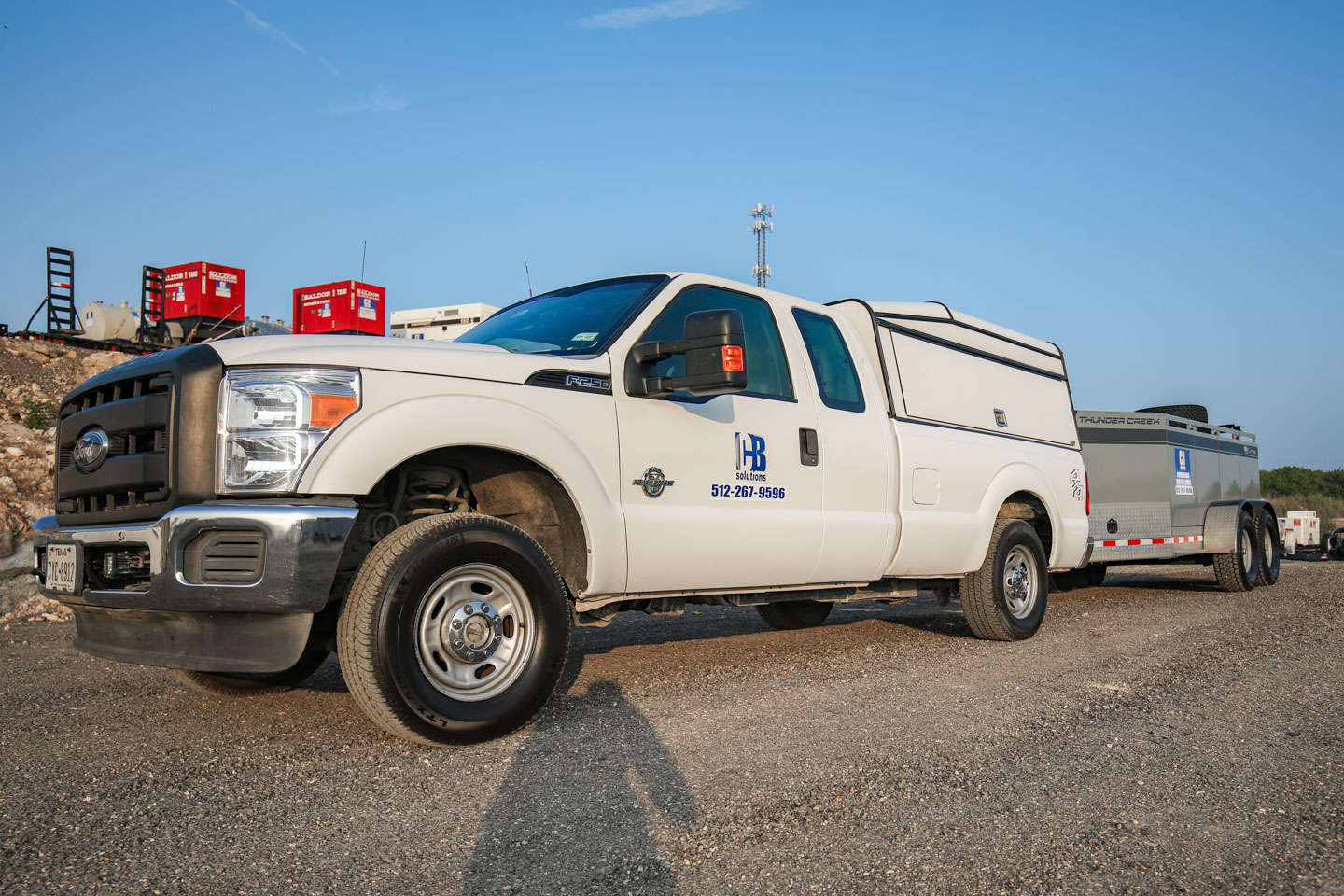
Every region of Texas has its own storm season. Hurricanes and tropical storms reach the Gulf Coast. Flash floods hit the Hill Country and Central Texas. Hail and tornadoes sweep North Texas, and high winds and ice storms hit the Permian Basin. Winter storms like the one we had in February 2021 can take down power across the whole state at once.
For a commercial or industrial operation, an outage means more than lost lights. It can mean a stopped production line, a lift station that can't pump, or a hospital running on limited backup power.
CB Solutions provides trailer-mounted generators from 5 kW to 2 MW for commercial and industrial sites across Texas. This guide covers how to plan for storm-related outages, what an emergency generator deployment involves, and how to get power back quickly when the grid goes down.
Why Outages Hit Commercial & Industrial Sites Harder
After a big storm, utilities restore power in priority order. When damage is widespread, that can take days. Most facilities don't have days.
The costs add up quickly. Production stops, and so does revenue. Pumps, ventilation, gas detection, and control systems go offline, which creates safety problems on top of operational ones. Regulated operations like water systems and healthcare facilities face compliance issues. Cold storage and pharmacy inventory starts to spoil. And when utility power does come back, uncontrolled restarts and surges can damage equipment that made it through the storm itself.
Having a permanent standby generator helps, but it isn't a guarantee. Standby units fail, run low on fuel, or turn out to be undersized for the load. That's where temporary generator power comes in.
Who Needs Emergency Power Most
Water and wastewater utilities. Storms bring the highest flows of the year, and that's exactly when lift stations and treatment plants can't afford to lose power. A station that stops pumping can lead to overflows and backups, along with the regulatory headaches that follow. CB Solutions also supplies flow, level, and analytical instrumentation to Texas water utilities, so we know these systems from the inside.
Hospitals and healthcare facilities. A hospital can't just close its doors and wait out a storm. Patients still need care, rooms need to stay cool, and medications have to stay refrigerated. Most hospitals have standby generators, but those units can fail, and some were never sized to run the whole building for days on end. A rental generator gives the facility a backup for its backup, or the extra capacity it needs to get through a long outage.
Oil and gas operations. Well sites, compressor stations, and field offices often sit at the end of long, exposed utility lines. Our West Texas division in Odessa helps get oilfield operations back up after wind and ice storms.
Data centers and server rooms. Battery backup is only meant to hold things together until a generator kicks in. If the standby generator fails, or the outage lasts longer than the fuel on site, the servers go down with it. Bringing in a temporary generator keeps the data center online until the grid comes back or the permanent unit is repaired.
Government and municipal facilities. After a bad storm, people look to their city and county for help. That's hard to do when the emergency operations center is dark. Shelters need lights and air conditioning, and public works crews need a yard they can work out of. Temporary power keeps those facilities open while the rest of the community gets back on its feet.
Construction and infrastructure projects. Once the storm passes, the rebuilding starts. Temporary power keeps crews working, tools charged, and pumps and lighting running on site.
Plan Before the Forecast Turns
When a major storm hits, everyone needs generators at once. The facilities that planned ahead are the ones that get power back first.
Start with your critical loads. What absolutely has to keep running, and what can wait a few days? Pumps, controls, HVAC, IT, refrigeration, and emergency lighting usually top the list. A load calculation turns that list into the right generator size, and our Generator Sizing Guide walks through it.
Next, think about how a portable generator would actually connect to your building. A properly installed transfer switch makes hookup faster and safer. Without one, the generator may have to be wired in on site, and that eats up time you won't have. CB Solutions installs transfer switches and backup power systems, so this can be handled well before the next outage.
If you already have a standby generator, don't assume it's ready. Annual and preventive maintenance (inspections, performance testing, and standby generator protocols) catches problems while there's still time to fix them. Load bank testing confirms the unit can handle its rated load. Diesel fuel cleaning gets water and contaminants out of the tank before they cause a failure halfway through a long run. For more on this, see Why Generator Maintenance Prevents Costly Downtime.
Fuel is easy to overlook. A generator running near full load can burn through its tank faster than most people expect, so it's worth knowing how long your generator will last and have a plan for who will refill it.
Parking is another one. A trailer-mounted unit needs somewhere to sit, and the road you'd normally use might be underwater or blocked by fallen lines after a storm, so have a plan for another way in.
It also pays to call your power provider before storm season starts. If our crew already knows your site layout, your voltage, and where the generator will connect, we can get you running much faster than if we're seeing the place for the first time.
What to Have Ready When You Call
Having this information handy will speed things up:
- Site address and any access restrictions
- Critical loads, or a recent load calculation
- Voltage and phase (208V or 480V, three-phase, etc.)
- Amperage and service size
- How the generator will connect (transfer switch, camlock, or hardwired)
- How long you expect to need power
- Fuel preferences and refueling needs
- Who will meet our crew on site
After the Storm: What an Emergency Deployment Looks Like
A turnkey emergency deployment from CB Solutions typically includes:
- Assessment. We confirm your loads, voltage, and connection requirements, then match the right generator from our fleet.
- Delivery and setup. We bring the trailer-mounted unit to your site, position it, and handle the setup.
- Connection and startup. We connect to your system and verify the generator is carrying the load safely.
- Fueling and on-site support. We handle fueling and refueling and stay on-site as needed, so your team can focus on recovery.
- Transition back to utility power. Once service is restored, we coordinate the switchover and remove the equipment.
For sites that need power for weeks or months after major damage, short-term emergency rentals can turn into long-term rentals. If you're weighing whether to keep renting or invest in permanent backup power, see Renting vs. Buying a Commercial Generator.
What to Look for in an Emergency Power Partner
- Fleet range. Units sized for your actual load, from small field applications up to megawatt-class power
- Statewide reach. Crews and equipment that can get to your site, not just to the nearest metro area
- Turnkey service. Delivery, setup, fueling, and on-site support from one provider
- Emergency availability. Staff who answer and respond during emergencies, not just during business hours
- Certified technicians. Trained crews who can connect safely and troubleshoot in the field
- Industry experience. Familiarity with the compliance and operational demands of your facility
How CB Solutions Helps
CB Solutions provides commercial and industrial generator rentals, sales, and service throughout Texas. We're headquartered in Lago Vista, with a West Texas division in Odessa. Our crews deploy emergency power after hurricanes, winter storms, floods, and other emergencies, from the Gulf Coast to the Permian Basin, and our staff are available when those emergencies happen.
We rent trailer-mounted generators anywhere from 5 kW up to 2 MW. We don't just drop them off, either. Our crew delivers the unit, sets it up, keeps it fueled, and stays on site if you need us there.
A lot of our work happens before the storm, too. We do annual and preventive maintenance on standby generators, run load bank tests, clean diesel fuel, change oil on site, and take care of certified repairs when something breaks. And if a facility is ready to stop relying on rentals, we'll install permanent backup power, from the transfer switch to the stationary unit itself.
We work with equipment from Doosan, AirGen, UltraQuip, and Multiquip. Our clients include water and wastewater utilities, hospitals, oil and gas operators, data centers, and emergency management agencies.
If you have an emergency, call 512-657-5775.
Frequently Asked Questions
Do you provide emergency generators after hurricanes and major storms?
Yes. CB Solutions deploys generators for hurricane response, winter storms, flooding, and other emergencies across Texas. Our staff are available during emergencies to get power back to critical operations.
Do you serve areas outside Central Texas?
Yes. CB Solutions serves commercial and industrial clients across Texas, with teams based in Lago Vista and Odessa.
Do we need a transfer switch to use a rental generator?
It isn't always required, but a transfer switch makes it much faster and safer to connect a generator during an outage. Our team can assess your site and install the right setup ahead of time.
Can a rental generator back up our existing standby generator?
Yes. Rental units are often used when a permanent generator fails, is down for repairs, or can't carry the full facility load during an extended outage.
Keep Your Operation Running Through the Next Texas Storm
Storms are part of doing business in Texas, but a long outage doesn't have to be. Whether you're preparing before storm season or need power restored after a hurricane or other emergency, CB Solutions delivers commercial and industrial generator solutions anywhere in Texas. Contact our team to plan your backup power strategy, or call 512-657-5775 for emergency support.
Call Us:
(512) 267-9596
Email Us: info@cbsolutionslp.com

Monday - Friday
8AM - 5PM Central
After Hours Phone:
512-657-5775