


Common Generator Problems and How to Prevent Them
A generator that won’t start or shuts down mid-outage usually gave warning signs first. Here are six common problems with commercial and industrial generators, what causes them, and when it’s time to call a technician.
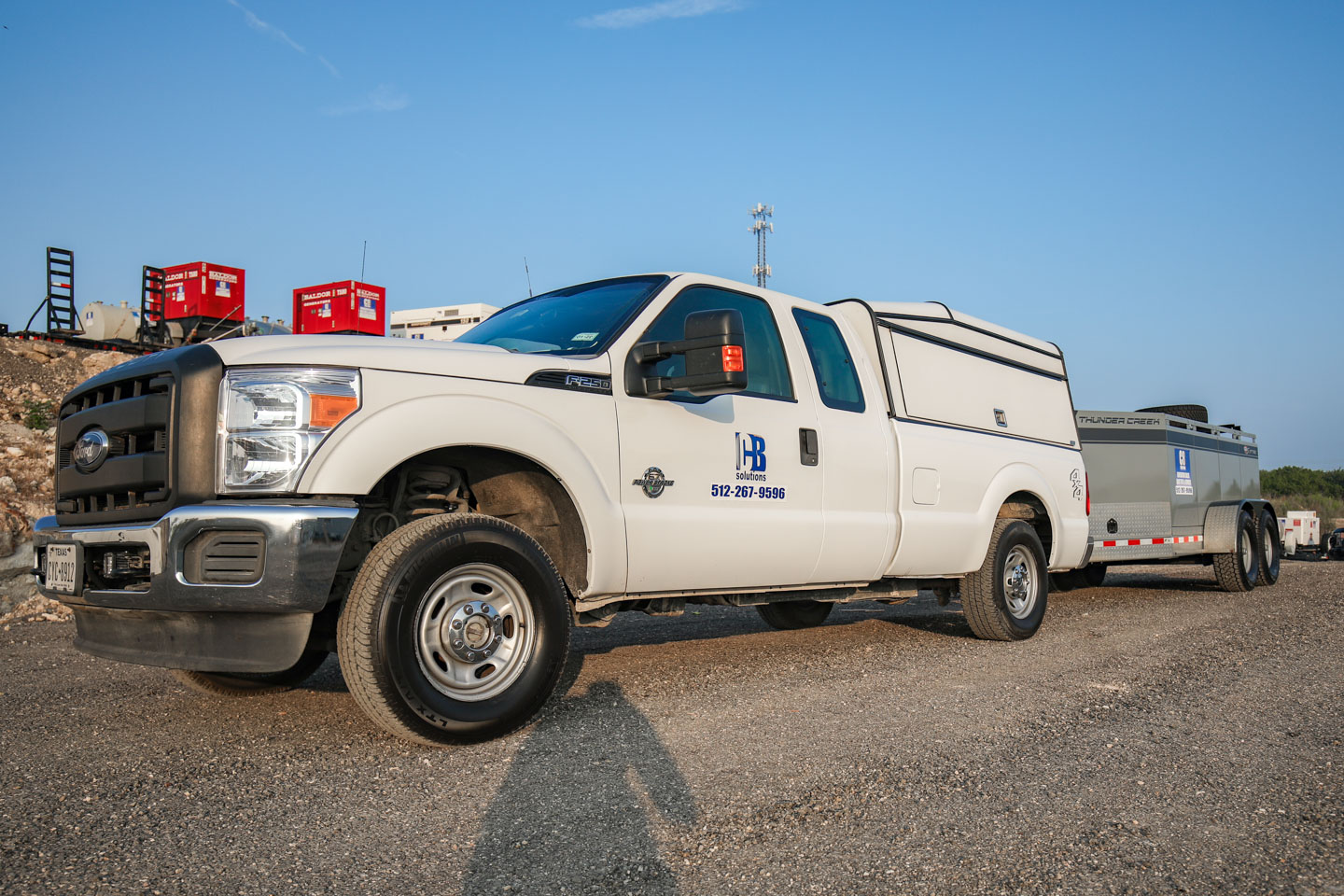
6 Common Generator Problems That Can Leave Your Facility Without Power
If a commercial or industrial generator has faults, it doesn’t always mean the generator itself is at fault. The battery could be weak, the diesel contaminated, and the generator unable to supply sufficient power due to overload. Businesses and companies that rely on backup generators can identify faults more easily if they know what to expect.
Generator problems can affect facilities in many industries, including manufacturing, construction, health care, government, oil and gas, water and wastewater, and other operations where an interruption can have serious consequences. Some issues are relatively simple to correct, while others require professional testing, repair, or service. Texas conditions add their own pressure, too. Summer heat is hard on cooling systems, humidity along the Gulf Coast speeds up condensation in fuel tanks, and a winter storm will test every battery in the state.
CB Solutions services commercial and industrial generators across Texas. Here are six common problems to watch for and what they may mean for your equipment.
1. The Generator Won’t Start
A generator that won’t start cannot provide backup power, so starting-system problems are one of the first things to investigate.
Batteries are one of the most common culprits. Standby generators can sit for weeks without running, and the battery slowly loses charge the whole time. Corroded terminals, loose connections, or a failed battery charger make it worse, and an old battery may simply be at the end of its life.
Fuel problems can also cause starting issues. If diesel becomes contaminated or the fuel system is restricted, the engine may not get what it needs to start and run properly.
Other potential causes include low fluid levels, control system problems, damaged wiring, or engine issues. Repeatedly trying to start the generator may not identify the underlying problem**, and it can run the battery down even further.**
Regular inspections and generator maintenance can help identify battery and system issues before they leave the facility without backup power. For more information about preventing these problems, see our guide to preventive generator maintenance.
2. The Generator Has Contaminated or Degraded Fuel
A generator can have a full fuel tank and still not operate properly.
Diesel stored in a tank for a long time may develop water, sediment, sludge, and microbial growth. Water usually gets in through condensation inside the tank, worn vents or caps, or a contaminated fuel delivery. Once water and diesel sit together, microbes can start growing where the two meet.
As contamination builds, it can restrict filters and affect fuel injectors. The result may be poor engine performance, difficulty starting, or an unexpected shutdown.
This is especially important for standby generators because they may not run often enough to reveal fuel problems during normal operation. A generator may appear ready until it is called on during an actual power outage.
Fuel testing, filtration, and cleaning can help determine whether contamination is affecting the system. Our diesel fuel cleaning and tank services remove water, sludge, microbial growth, and other contaminants that can interfere with generator operation.
If your generator has been sitting unused for an extended period, checking the fuel’s condition can be as important as checking the engine.
3. The Generator Overheats or Shuts Down While Running
A generator that starts successfully can still develop problems while operating.
Overheating may involve issues with coolant levels, belts, hoses, radiators, airflow, or other cooling-system components. A Texas summer makes all of these worse, since the cooling system is already working harder before the generator ever takes on a load. If the generator detects an operating condition that could damage the equipment, its protective controls may shut the system down.
Unexpected shutdowns can also stem from low oil pressure, fuel delivery problems, electrical faults, or other conditions that require diagnosis.
Don’t simply reset these problems and ignore them. If a generator repeatedly shuts down, running it without finding the cause can cause additional damage and a more expensive repair.
Inspections can help detect issues related to worn parts, fluids, or other factors that could cause a shutdown. If an issue arises, proper diagnostic testing can reveal whether it stems from the engine, fuel system, cooling system, electrical components, or controls.
4. The Generator Runs but Cannot Handle the Required Load
The generator can start and run perfectly fine but may not be ready for the electrical load expected during a power outage. When a generator is pushed past its capacity, voltage and frequency can drop, breakers can trip, and components wear out much faster.
Some generators run but put out low or unstable voltage even when the load is within range. That often points to a problem with the voltage regulator or the alternator, and it needs a technician to track down.
Very light loads can also create problems for diesel generators. Extended operation at low loads can contribute to wet stacking and carbon buildup, which can affect engine performance over time.
This is where load bank testing becomes important. A controlled electrical load can be applied to the generator to evaluate performance under conditions that more closely match its intended operation. Running the engine at a higher load for a period can also help burn off the buildup that comes from wet stacking.
Load bank testing can help identify problems involving generator output, voltage, alternator performance, cooling, fuel delivery, and other systems. It can also confirm whether the equipment can deliver its expected capacity.
If you are unsure whether your current generator matches your facility’s electrical requirements, you should also evaluate generator sizing. Our guide to choosing the right generator size for your project provides additional information about matching generator capacity to the application.
5. The Generator Runs but the Building Never Gets Power
Picture an outage where the generator kicks on right when it should. You can hear it running out back, but the building is still dark. When that happens, the transfer switch is usually the first place a technician will look.
The transfer switch is the piece of equipment that disconnects your building from the utility and connects it to the generator. A bad sensor, a control fault, or a corroded wire inside the switch can stop that handoff from happening, and the generator will keep running with nothing connected to it. Many routine tests only check that the engine starts, so a problem like this can go unnoticed for a long time.
A proper test should move the building’s load onto the generator so you can see the whole system work together. CB Solutions installs and services transfer switches as part of our backup power systems, and we can check yours during your next service visit.
6. The Generator Shows Warning Signs Before It Fails
Not every generator problem results in an immediate shutdown. In many cases, the equipment gives warning signs before a major failure occurs.
Abnormal sounds, fluid leaks, smoke, starting problems, engine performance changes, warning alarms or fault codes, unstable voltage levels, and shutdowns are not normal.
Even a small change may indicate a developing problem. A fluid leak may indicate worn seals or connections. Starting problems could mean an issue with the battery or the fuel system.
Noticing these signs gives you an opportunity to have the equipment inspected while the generator is still usable. Waiting until the next outage can leave very little time to diagnose and correct the problem.
A documented service and inspection schedule can also make it easier to track recurring issues and identify changes in generator performance over time.
When Should You Call for Generator Service?
Routine checks can identify some generator issues, but diagnosing and repairing commercial and industrial equipment often requires specialized knowledge and testing equipment.
Call a technician if your generator is hard to start, shuts down without warning, or throws alarms or fault codes. The same goes for unusual noise, smoke, or leaks of any kind. Fuel that’s been sitting a long time is worth checking, and so is a generator that struggles once the load comes on. If the unit has fallen behind on its service schedule, that alone is a good reason to have it looked at.
The solution depends on the specific problem. For example, the problem may be a bad battery that needs testing and replacement, or dirty fuel that needs cleaning.
Getting the generator running again is only part of the job. A good technician will also figure out why it failed, so it doesn’t happen again during the next outage.
If your standby generator is down for repairs, you don’t have to go without backup power in the meantime. CB Solutions can bring in a rental generator to cover your facility until the repair is finished. For emergencies, call 512-657-5775.
Frequently Asked Questions About Generator Problems
Why is my commercial generator not starting?
A generator may not start because of a weak battery, contaminated fuel, loose connections, a charging system issue, or an engine problem. If it keeps happening, have a technician diagnose it rather than repeatedly trying to start it.
Why does my generator keep shutting down after starting?
The generator can shut down due to low oil pressure, overheating, improper fuel flow, electrical issues, or a danger detected by the protection systems. In any case, you need to identify the issue, not just reset it.
How do I know whether my generator has a fuel issue?
Hard starting, rough running, clogged filters, and unexpected shutdowns can all point to contaminated or degraded fuel.
Why does my generator overheat?
Low coolant, restricted airflow, radiator problems, worn belts or hoses, and other cooling-system issues can contribute to overheating. An inspection can help determine whether the problem is related to the cooling system or another component.
My generator starts fine. Why does it fail under load?
A generator can start and idle without any trouble, then struggle once it’s carrying the building’s demand. Fuel restrictions, cooling problems, alternator issues, and undersizing can all cause this. Load bank testing is the most reliable way to find out before a real outage does.
Why does my generator run but my building still has no power?
This is often a transfer switch problem. If the switch doesn’t move the load from utility power to the generator, the generator will run but nothing in the building will get power. Testing should always include a full load transfer.
How often should a commercial generator be inspected?
The appropriate inspection schedule depends on the generator, its operating environment, how often it runs, and the manufacturer’s recommendations. Regular inspections can identify developing problems before they affect the generator during an outage.
What are the warning signs that a generator needs repair?
Unusual noises, fluid leaks, warning alarms, difficulty starting, unstable performance, excessive smoke, and repeated shutdowns can indicate a developing problem. Having these issues investigated early may prevent a more serious equipment failure.
Keep Generator Problems From Becoming Outage Problems
Starting a generator as part of an inspection does not automatically mean it can handle any emergency situation. Batteries wear out, fuel can get contaminated, and the electricity needs can change.
Recognizing warning signs and addressing problems before an outage gives your facility more time to inspect, test, repair, or service equipment without the pressure of an active power failure.
CB Solutions provides commercial and industrial generator services throughout Texas, including generator maintenance, repairs, load bank testing, diesel fuel cleaning, transfer switch installations, rentals, and backup power solutions.
If you notice a problem with your generator or aren’t sure it can handle your facility’s current power needs, contact CB Solutions to discuss the equipment and service it may need before the next outage. If the problem is happening right now, call 512-657-5775.
Call Us:
(512) 267-9596
Email Us: info@cbsolutionslp.com

Monday - Friday
8AM - 5PM Central
After Hours Phone:
512-657-5775